All events

Upcoming forum

TEB Academy: Buildings & Energy Efficiency — Solutions & Case Studies

A TEB Forum at TU Wien bringing developers, utilities, investors, technology providers and policymakers together for one day on how real estate becomes an active grid participant

When
30 September 2026 · Vienna

Buildings aren't just where energy gets consumed, around 40% of the total energy demand in the EU — they're where decarbonization and the energy transition get built. Heat pumps, rooftop solar, home battery storage, district heating networks, and building asset flexibility are turning real estate from a passive energy user into an active grid participant, and the market is only beginning to price that shift.

TEB Academy Forum 2026 brings together the five pillars of the energy ecosystem — Academia, Industry, Policymakers, Start-ups, and Finance — for two transformative days in Vienna.

Join 250+ Real Estate & Energy developers, utilities, investors, technology providers, and policymakers together for one day at TU Wien to work through how that shift actually happens, with real case studies from Austria and Central & Eastern Europe, not just theory, but real cases and solutions.

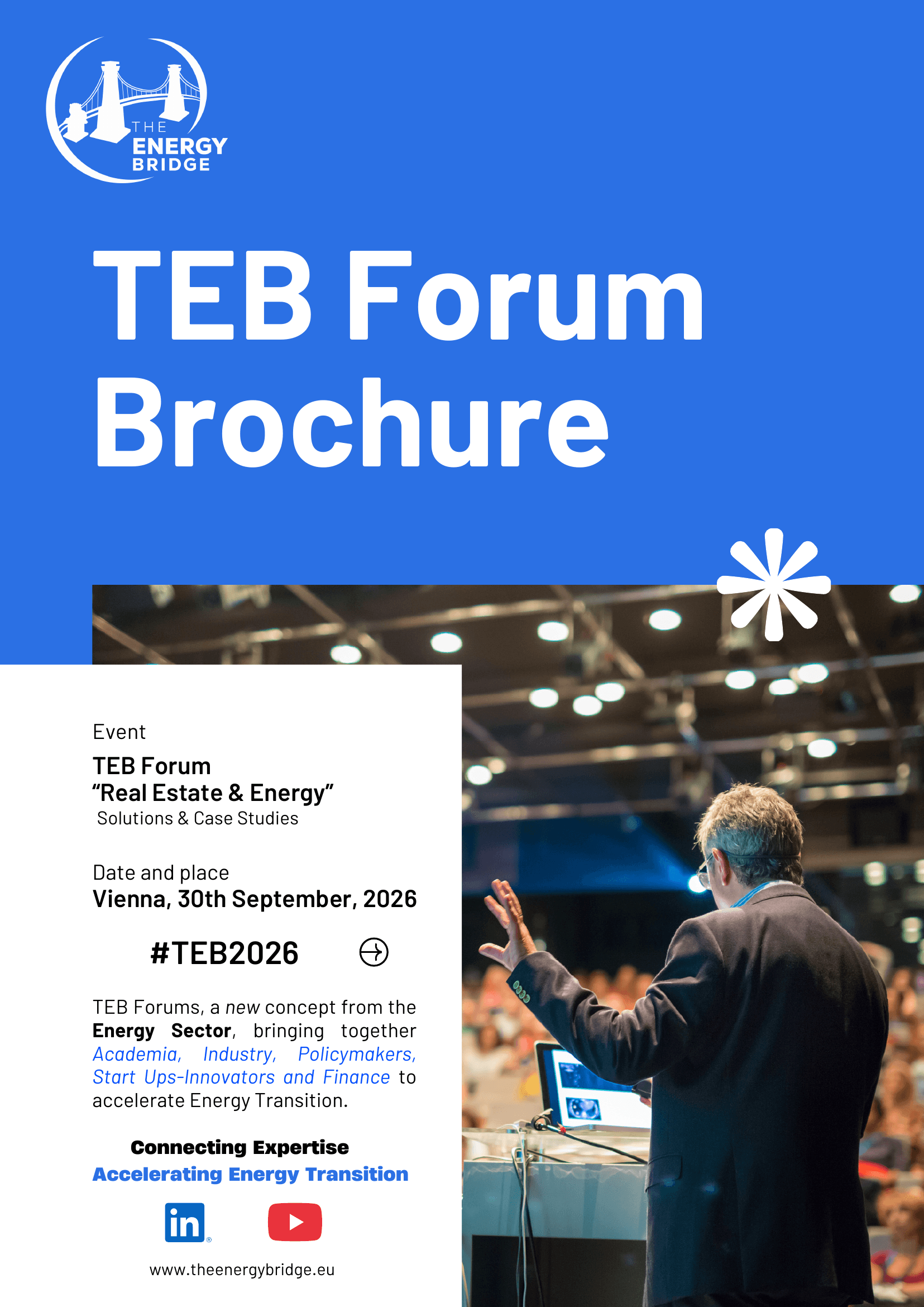
TEB Forum: Real Estate & Energy — Vienna, 30 September 2026.

Programme

Wednesday, 30 September — Conference Stage (Kuppelsaal)

09:00 – 09:45

Coffee and Registerations

09:45 – 09:50

Opening Remarks

The Energy Bridge (TEB)

The role of TEB as a system integrator across policy, industry, startups and research and significance of Building as Energy Assets

Speakers

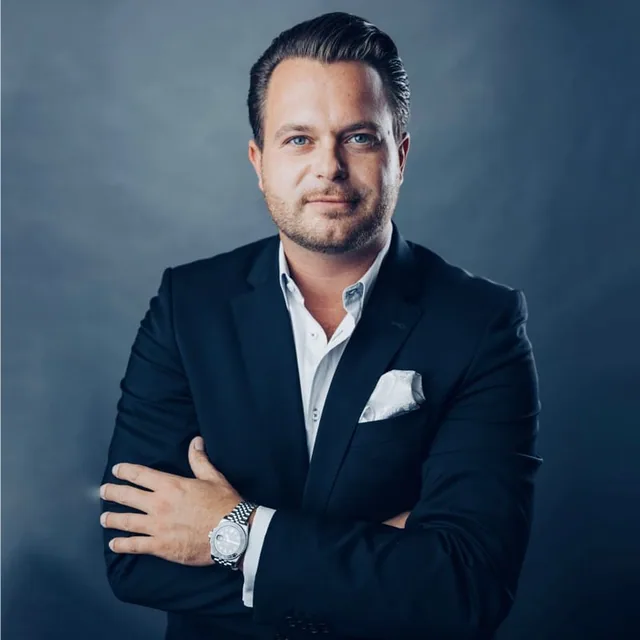
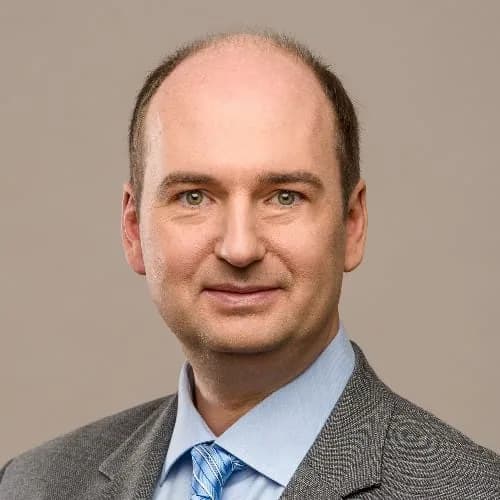
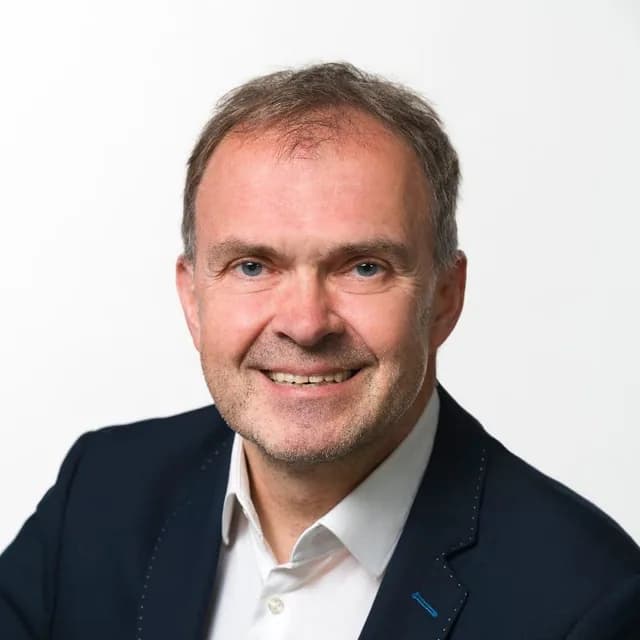
  • Rahul MishraCo-Founder · The Energy Bridge
  • Daniel SchaubCo-Founder · The Energy Bridge
09:50 – 10:05

Technical University Wien

Academic Insights into sustainable architecture, Construction Methods and Best Practices for Energy Efficient Buildings.

Speakers

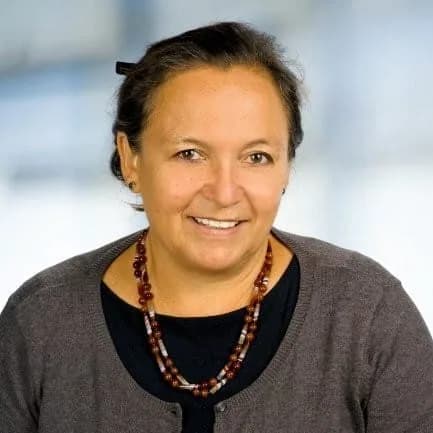
  • Karin StieldorfAssistant Professor, Head of Working Group for Sustainable Buildings · TU Wien
10:05 – 10:20

ÖGNI - Austrian Society for Sustainable Real Estate

From Regulation to Real Estate Value: Reshaping Buildings, Energy and Investment

Speaker

  • Petra KühnelSenior Advisor for EU Taxonomy at the ÖGNI (Austrian Sustainable Building Council)

Focus

Moving from a compliance topic to a strategic drivers of investment, asset value and financing for Real Estate. It will highlight how developers, owners and investors can future-proof buildings, manage transition risks and turn the energy transition into an opportunity.

10:20 – 10:35

From Data to Action: How AI is Transforming Energy Efficiency in Buildings

Speaker

Focus

Exploring how AI, real-time data and intelligent building systems can transform the way buildings consume and manage energy. The session will showcase the ADAM Energy Saver, an AI-based solution developed by ISS in partnership with the World Energy Commision, which automatically optimizes heating, cooling and ventilation systems while maintaining occupant comfort. Drawing on practical applications, the session will demonstrate how existing building data and sensor infrastructure can be turned into actionable energy savings, enabling more efficient, responsive and sustainable building operations.

10:35 – 10:50

From Building Performance to Energy Efficiency: Predicting the Building of Tomorrow

Speaker

Focus

Exploring how building physics, forecasting and performance modelling can support better decisions in the planning, construction and operation of buildings. The session will examine how predicting energy demand, building loads, moisture risks and indoor environmental conditions can help improve energy efficiency, resilience and long-term building performance.

10:50 – 11:10

From making energy flows visible to intelligently optimizing connected buildings and energy assets.

Speaker

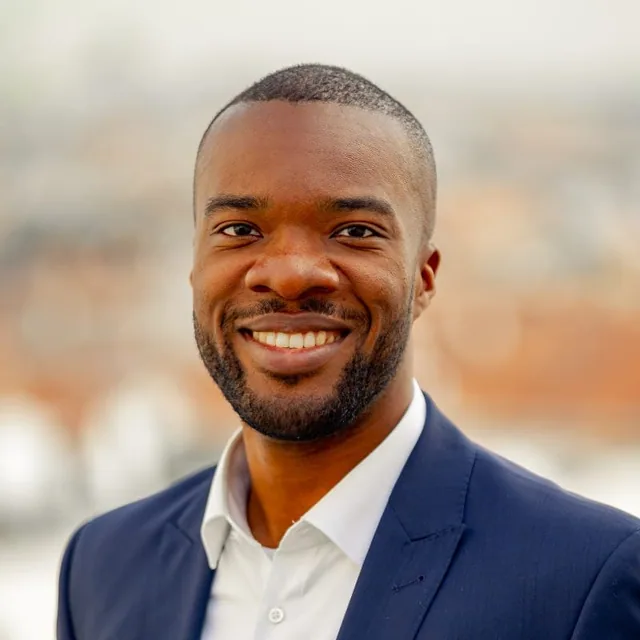
  • Michael OkoliHead of Sales, Digital and Software Smart Infrastructure Buildings · Siemens

Focus

Exploring how digitalization, real-time data and intelligent building systems can make energy flows visible and enable the intelligent optimization of connected buildings and energy assets.

11:10 – 11:25

Networking Break

11:25 – 12:05

Session 1 - Building as an Energy Asset

From Building to Energy Asset: Who Pays, Who Owns, Who Benefits?

Panel Debate

Exploring how heat pumps, photovoltaics, energy storage, EV charging and smart building technologies can transform buildings into flexible energy assets, while examining the investment, ownership and value-creation models behind this transition. The discussion will also bring in the EU Taxonomy and sustainability perspective, exploring how regulatory and ESG requirements are shaping energy efficiency, investment decisions and the role of buildings in a flexible, resilient and integrated energy system

Moderator

  • Angelos ChronisInfrared.City

Panelists

  • Roger HackstockPresident · Austrian Renewable Energy Association (EEÖ)
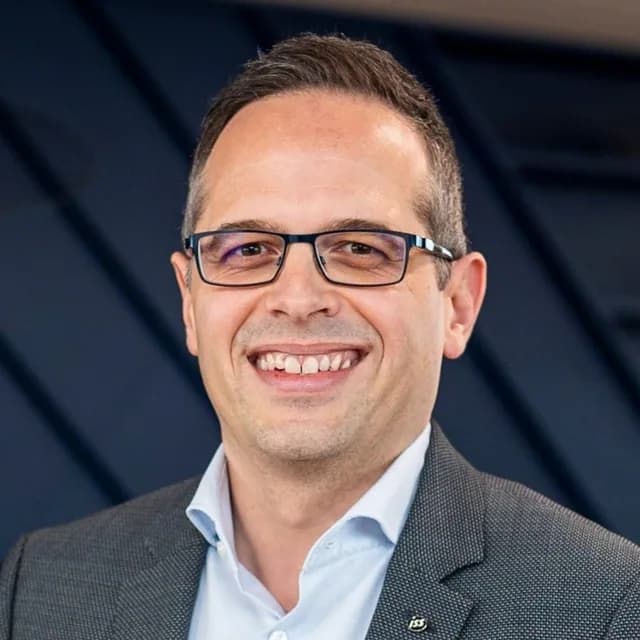
  • Manuel RadauerCCO · ISS Austria
  • Matthias W. ReisPresident · World Energy Commision
  • Thomas BednarHead, research Unit of Budilding Physics · TU Wien
  • Petra KühnelSenior Advisor for EU Taxonomy at the ÖGNI (Austrian Sustainable Building Council)
12:05 – 13:10

Lunch

13:10 – 13:25

Case Studies

From Energy Communities to Local Energy Systems: Lessons from Vienna's Urban Districts

Speaker

Focus

Energy communities have proven that citizens, housing providers and local stakeholders can actively participate in the energy transition. Building on Vienna's experience, this presentation explores how energy sharing can evolve from individual buildings into integrated neighbourhood-scale energy systems. Drawing on practical examples from urban districts, it highlights the role of renewable generation, storage, local heat solutions, governance models and stakeholder cooperation in creating resilient and climate-neutral communities.

13:25 – 13:40

Rabmer Group – Case Study

Turning Wastewater into Energy: From Local Resource to Renewable Heating & Cooling

Speaker

  • Fr. Mag. Ulrike Rabmer-KollerManaging Partner · Rabmer Gruppe

Focus

A real-world case study on how wastewater can become a local, renewable energy source for heating and cooling buildings. Drawing on Rabmer’s experience with wastewater energy systems, the session will demonstrate how waste heat, heat pumps and existing urban infrastructure can reduce fossil-fuel dependency, lower emissions and create practical new energy solutions for buildings and cities. Rabmer’s technology has been recognised for its contribution to climate protection and sustainable heating and cooling

13:40 – 13:55

Beyond Carbon Energy – Case Study

From Building to Energy System: Decarbonising Real Estate Through Local Energy Solutions

Speaker

  • Herbert HetzelCEO & Co-Founder · Beyond Carbon Energy

Focus

- Showcasing how renewable local energy sources, heat pumps, seasonal storage and intelligent energy systems can be combined to deliver efficient, low-carbon heating and cooling for real estate. The case study will demonstrate how buildings can become energy consumers, producers and storage assets, while connecting technical solutions with economic viability, energy independence and long-term property value.

13:55 – 14:45

Session 2 – Energy Communities & Integrated Energy Systems

Building the Local Energy Systems of the Future

Focus

Exploring how integrated energy systems, renewable generation and local energy communities can be developed into practical and economically viable solutions. The discussion will look at how energy production, storage, heating, mobility and consumption can be connected and optimized across buildings, and what is needed to scale these systems from individual projects to local energy ecosystems.

Moderator

  • Daniel SchaubCo-Founder · The Energy Bridge

Panelists

14:45 – 15:00

Networking Break

15:00 – 15:40

ReLIFE Training Workshop

From Data to Decision: Turning Building, Climate and Financial Data into Real Renovation Plans

Focus

  • Exploring how building data, energy performance, climate information and financial analysis can be brought together to make renovation decisions more informed, practical and investable. The session will introduce the ReLIFE platform and its technical, forecasting and financial services, demonstrating how data can help identify renovation opportunities, compare measures, assess investment needs and understand potential energy and cost savings.
  • Through a practical training approach, participants will explore how to move from “What does this building need?” to “What should we renovate, what will it cost, and how can we finance it?”—turning fragmented building data into actionable renovation pathways.
  • Workshop Conductor: Giulia Conforto, E-Think
15:30 – 16:30

Case Studies

Scaling the Energy Efficiency

Focus

Showcasing practical case studies that demonstrate how finance, technology and innovative energy solutions are accelerating the transition of buildings and energy infrastructure. The session will highlight what is already working across the region, the challenges of scaling solutions, and how AI, climate adaptation and new financing models can help create more resilient and future-proof real estate and energy systems.

15:30 – 15:45

Infradapt : Simulating Cooling Demand during a Heatwave in a Low-Voltage Grid using Dynamic Building Models. Speaker

Speaker

  • Jakob BuchmeierResearcher Smart Grids · Weiner Netze
15:45 – 16:00

Preflet , Agentic AI by Preflet for smart building energy management

Speaker

  • Shailendra TomarCEO · Preflet
16:00 – 16:15

The Role of Materials in Climate Protection and Energy Efficiency

Speaker

  • Michael HaugenederCEO · ATP Sustain
16:15 – 16:30

AIT, Integrating District Heating Network for Smart Residential Solution

Speaker

  • Ralf- Roman SchmidtAIT
16:30 – 16:45

SmartCity Baumgarten - Quitting Gas in the Neighbourhood

Speaker

16:45 – 16:55

Energiewende Linz

Powerplayground: From Energy Communities to Energy Education

Speaker

  • Helwin ProhaskaFounder · Energiewende linz
17:00 – 18:00

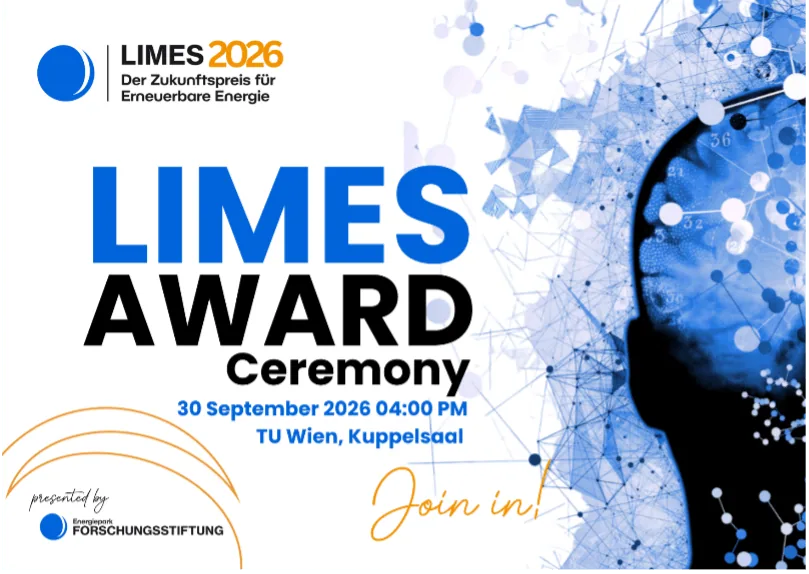
Energiepark Forschungsstiftung – LIMES Awards

Celebrating the Innovators Shaping the Renewable Energy Future

The LIMES Future Prize for Renewable Energy recognises outstanding innovations and pioneering solutions that accelerate the transition to a renewable, resilient and sustainable energy system. The awards will showcase the people, technologies and ideas with the potential to transform how energy is generated, stored, managed and used — and turn innovation into real-world impact.

17:30 – 19:00

Networking Drinks

Speakers

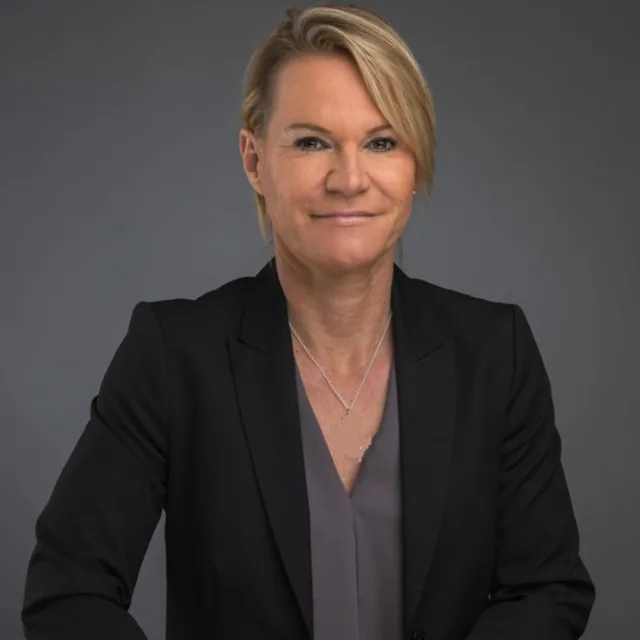
Petra Kühnel

Petra Kühnel

Senior Advisor for EU Taxonomy at the ÖGNI (Austrian Sustainable Building Council)

Biography

Mag. (FH) Petra Kühnel is a highly experienced Senior Asset Manager, ESG expert, and dedicated EU-Taxonomy Advisor at the Austrian Sustainable Building Council (ÖGNI). With extensive operational experience across the real estate sector, she possesses a profound understanding of the legal, technical, and management complexities essential for sustainable building transformation. At ÖGNI, Petra specializes in conducting EU Taxonomy conformity checks and consulting on comprehensive ESG regulations. She plays a pivotal role in helping investors, small and medium-sized enterprises (SMEs), and property developers navigate the opportunities and complex requirements of European sustainability frameworks. Her practical expertise in guiding the implementation of sustainable real estate projects makes her an invaluable voice at the forum, offering vital insights into how the built environment can successfully align with stringent EU climate targets to drive the regional energy transition.
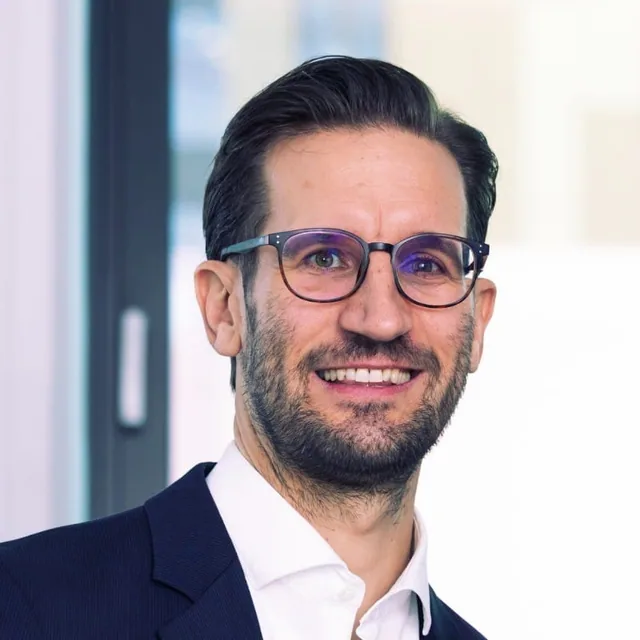
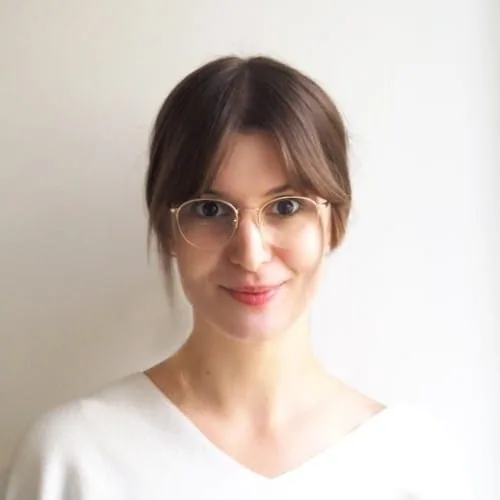
Karin Stieldorf

Karin Stieldorf

Assistant Professor & Head of the Working Group for Sustainable Building, TU Wien

Biography

Univ.Prof. Dipl.-Ing. Dr.techn. Karin Stieldorf - *Assistant Professor & Head of the Working Group for Sustainable Building, TU Wien*

Dr. Karin Stieldorf is a globally recognized pioneer in solar architecture, ecological design, and lifecycle-oriented construction. Serving as an Assistant Professor at TU Wien (Vienna University of Technology), she leads the university’s highly influential Working Group for Sustainable Building. Dedicated to the principle that "excellent architecture is intrinsically sustainable," her research bridges the gap between high-performance engineering and forward-thinking architectural design. Dr. Stieldorf is the Academic Director of the master’s program in Sustainable Building, a flagship cooperative initiative between TU Wien and TU Graz, where she trains the next generation of architects and project developers to design climate-neutral, ESG-compliant building stocks.

A decorated leader in her field and recipient of the Golden Badge of Honour, she also actively shapes industry standards through her work with the Austrian Sustainable Building Council (ÖGNI).

At the forum, she brings decades of scientific rigor to the critical challenge of decarbonizing the built environment and accelerating deep urban renovations across the CEE region.

Matthias Gressel

Matthias Gressel

Managing Director, Aspern Smart City Research (ASCR)

Biography

Dr. Matthias Gressel - *Managing Director, Aspern Smart City Research (ASCR)*

Dr. Matthias Gressel is an expert in smart grid digitalization and sustainable urban development, currently serving as the Co-Managing Director of Aspern Smart City Research (ASCR). Backed by a major joint venture between Siemens, Wien Energie, Wiener Netze, and the City of Vienna, ASCR operates as a real-world urban laboratory in Vienna’s Seestadt district, developing scalable solutions for Europe's energy future.

Before taking the helm at ASCR, Matthias served in the executive management office of Wiener Netze, Austria’s largest combined utility network operator, where he developed deep expertise in distribution infrastructure and grid flexibility.

A legal expert by training, he now leads interdisciplinary research tracks focused on the transition from smart to fully autonomous buildings, electric mobility integration, and the critical challenge of phasing out natural gas ("Raus aus Gas").

At the forum, Matthias bridges the gap between digital innovation and physical infrastructure, demonstrating how legacy urban buildings and modern smart quarters can interact dynamically to optimize local energy markets and relieve pressure on the central grid

Roger Hackstock

Roger Hackstock

President, Austrian Renewable Energy Association (EEÖ) & Managing Director, Austria Solar

Biography

Dipl. Ing. Roger Hackstock - *President, Renewable Energy Austria (EEÖ) & Managing Director, Austria Solar*

Roger Hackstock is a leading figure in Austria's climate and energy policy landscape, dedicating over three decades to the advancement of renewable technologies. As the President of Renewable Energy Austria (EEÖ), he represents the unified voice of the nation's sustainable energy industries, advocating for the accelerated expansion of solar, wind, hydro, biomass, and geothermal power.

Concurrently, he has served as the Managing Director of the industry association Austria Solar since 2002. A structural engineer by training, with a degree in Electrical and Environmental Engineering from TU Wien, Roger has shaped climate strategies across vital institutions, including the Austrian Energy Agency, the Climate and Energy Fund, and the Ministry.

Beyond his policy work, he is a lecturer at TU Wien and a prominent author.

In his recent book, *How to Save the World Without Constantly Worrying*, he strongly advocates for shifting climate communication away from fear and restriction, emphasizing that the green transition must be approached with optimism, humor, and a focus on concrete economic advantages to truly accelerate public and industrial buy-in.

Anna Aichinger

Anna Aichinger

Urban Energy Planner, Municipal Department for Energy Planning (MA 20), City of Vienna

Biography

DI Anna Aichinger, MEng - *Urban Energy Planner, Municipal Department for Energy Planning (MA 20), City of Vienna*

Anna Aichinger is an urban energy planner operating within the City of Vienna’s Municipal Department for Energy Planning (MA 20). She plays a central role in executing the city's strategic decarbonization frameworks, notably the Vienna Heating Plan 2040. Anna is deeply involved in leading the flagship initiative "100 Projekte Raus aus Gas" (100 Projects Phasing Out Gas), a program designed to demonstrate the broad feasibility of decarbonizing existing building stock, with a primary focus on multi-story residential buildings that lack access to district heating. Her strategic work involves integrating large-scale renewable potentials into the urban grid, including deep geothermal energy extraction and the utilization of ambient and waste heat via massive-scale heat pumps. At the forum, Anna brings invaluable municipal-level insights, illustrating how a major European capital practically coordinates energy zoning, supports pilot technologies, and scales highly transferable, neighborhood-level solutions to achieve a climate-neutral built environment.

Ulrike Rabmer-Koller

Ulrike Rabmer-Koller

Managing Partner, Rabmer Gruppe & Vice-President, SMEunited

Biography

Fr. Mag. Ulrike Rabmer-Koller - *Managing Partner, Rabmer Gruppe & Vice-President, SMEunited*

Mag. Ulrike Rabmer-Koller is a prominent European business leader and pioneer in green technology who operates at the vital intersection of economy and ecology. As the Managing Partner of the internationally operating Rabmer Gruppe, she leads innovative engineering deployments in civil construction and environmental technology—specializing in green building infrastructure, renewable energy generation from wastewater, and advanced water efficiency systems.

A fierce advocate for small and medium enterprises (SMEs) on the global stage, Ulrike served as the President of SMEunited from 2016 to 2019, representing 24 million companies across Europe, and currently serves as its Policy Vice-President and Chair of the Sustainable Development Committee. Her deep governance experience includes a five-year tenure as Vice-President of the Austrian Federal Economic Chamber (WKÖ).

Appointed as a European Climate Pact Ambassador, Ulrike frequently advises the European Commission on high-level industrial strategies, focusing on scaling sustainable innovations and removing regulatory barriers for eco-driven market growth. She holds a degree from the Johannes Kepler University Linz.

Stephan Heidler

Stephan Heidler

Head of the Austrian Coordination Centre for Energy Communities, Climate and Energy Fund

Biography

Dipl. Ing. Stephan Heidler - *Head of the Austrian Coordination Centre for Energy Communities, Climate and Energy Fund*

Stephan Heidler is a leading national expert on the democratization of energy systems and decentralized power generation.

He currently serves as the Head of the Austrian Coordination Centre for Energy Communities (Österreichische Koordinationsstelle für Energiegemeinschaften) at the federal Climate and Energy Fund (Klima- und Energiefonds). In this role, he directs the central national agency responsible for providing tools, strategic guidance, and regulatory support to municipalities, businesses, and private citizens establishing local renewable energy communities.

Stephan brings a strong commercial and operational perspective to grassroots energy sharing; prior to his current role, he spent several years as a data and process manager for an energy supplier, optimizing energy market analytics and IT systems.

At the forum, he provides a crucial blueprint for how legislative frameworks and local collaboration models can successfully empower energy sharing—allowing stakeholders across the CEE region to actively participate in the clean energy transition while simultaneously relieving strain on the macro-grid.

He holds a Master's degree in Climate and Energy from the University of Natural Resources and Life Sciences (BOKU) in Vienna.

Georg W. Reinberg

Georg W. Reinberg

Principal & Founder, Architekturbüro Reinberg & Pioneer of Ecological Architecture

Biography

Arch. Mag. arch. Georg W. Reinberg - *Principal & Founder, Architekturbüro Reinberg & Pioneer of Ecological Architecture*

Georg W. Reinberg is an internationally renowned pioneer of solar, ecological, and circular architecture. Since establishing his practice in 1980, he has realized over 100 highly acclaimed projects—ranging from multi-story residential complexes and commercial buildings to educational facilities—that set early global benchmarks for passive house standards, net-zero energy design, and solar building integration. His holistic design philosophy seamlessly combines advanced timber construction, natural non-toxic building materials, and active/passive solar technology. A prominent academic and author, Reinberg has held professorships and lectureships across Europe, including at Danube University Krems and Syracuse University, influencing generations of architects in sustainable building design. At the forum, he offers an invaluable historical and visionary perspective on scaling high-performance, climate-positive architecture across the CEE region, demonstrating how the built environment can serve as a primary power generator rather than a passive energy consumer.

Micha Schober

Micha Schober

Energie, Teamleitung Beratung Erneuerbare Energie & Energiegemeinschafte UIV Urban Innovation Vienna

Biography

DI Micha Schober, MSc | Energie, Teamleitung Beratung Erneuerbare Energie & Energiegemeinschaften, UIV Urban Innovation Vienna GmbH

Micha Schober heads the Renewable Energy and Energy Communities Advisory Team at UIV Urban Innovation Vienna GmbH. Together with his team, he provides free and independent guidance on the planning, implementation, and operation of energy communities. His extensive experience working with non-profit housing associations and in Vienna’s residential and neighborhood development sector combines strong technical expertise with practical know-how. He also represents Vienna in Austria’s national Energy Communities working platform.

Kathrin Kronberger, MSc.

Kathrin Kronberger, MSc.

COO & Co-Founder, EnFera

Biography

Kathrin is the Chief Operating Officer and Co-Founder of EnFera GmbH, a Vienna-based energy-tech startup focused on intelligent local energy management. At EnFera, Kathrin leads business development, strategic partnerships, and operations, drawing on her deep background in startup acceleration, venture building, and stakeholder management. EnFera’s software platform enables households and entire renewable energy communities to automatically coordinate flexible assets—such as battery storage, heat pumps, and EV wallboxes—to maximize the local consumption of self-generated solar power. Her work is dedicated to making the energy transition tangible and financially accessible for everyday users, ensuring that renewable energy is utilized precisely where it is generated. Recently recognized with the Energiecamp Innovationspreis for her work on community energy management systems, Kathrin brings a crucial entrepreneurial perspective to the forum, highlighting how user-centric digital platforms can unlock grid flexibility, empower local communities, and accelerate the decentralized energy transition.

Michael Okoli

Michael Okoli

Head of Sales, Digital & Software (Smart Infrastructure Buildings) Austria & CEE, Siemens

Biography

Michael Okoli leads Digitalization segment in the Building Technology division at Siemens for Central and Eastern Europe. In this capacity, he advises property managers and facility management teams on how to fully leverage the existing data in their FM and building automation systems to optimizes building operations and improve their energy efficiency. Since joining Siemens directly after his studies at TU Wien, he has successfully supported numerous national and international clients on their path to reduce energy consumption.

Thomas Bednar

Thomas Bednar

Professor & Head of the Research Unit of Building Physics, TU Wien

Biography

Univ.Prof. Dipl.-Ing. Dr.techn. Thomas Bednar | Professor & Head of the Research Unit of Building Physics, TU Wien

Dr. Thomas Bednar is a leading scientific authority on building performance, energy-efficient architecture, and applied thermal physics. Serving as the Head of the Research Unit of Building Physics at TU Wien (Vienna University of Technology), he spearheads critical research dedicated to the decarbonization of the modern built environment. His work bridges the gap between theoretical modeling and real-world construction, focusing on the development of advanced simulation models for entire urban neighborhoods, the optimization of complex building components, and the testing of fully recyclable building materials. Dr. Bednar played a foundational research role in major flagship initiatives, such as TU Wien's groundbreaking Plus-Energy Office High-Rise Building project, effectively proving that densely populated commercial structures can generate more energy than they consume. At the forum, he brings unparalleled technical rigor to the challenges of urban renovation, outlining the core physical principles and lifecycle assessments required to transform the CEE region's legacy infrastructure into highly resilient, climate-neutral assets.

Manuel Radauer

Manuel Radauer

Chief Commercial Officer (CCO), ISS Austria

Biography

DI (FH) Manuel Radauer | Chief Commercial Officer (CCO), ISS Austria

Manuel Radauer is a leading executive in corporate real estate and facility management, currently serving as the Chief Commercial Officer at ISS Austria. As part of one of the world's largest workplace and facility service providers, Manuel is at the forefront of translating high-level ESG and decarbonization targets into actionable, day-to-day building operations. His work focuses on leveraging integrated facility services to optimize energy consumption, reduce carbon footprints, and improve the lifecycle performance of large-scale commercial portfolios. In addition to his executive role at ISS, he serves on the board of Facility Management Austria (FMA / IFMA Austria), where he actively shapes industry standards for sustainable building management. At the forum, Manuel brings the crucial "operator’s perspective" to the energy transition, demonstrating how smart maintenance, data-driven facility operations, and strategic commercial partnerships are essential to turning theoretical climate goals into operational reality across the CEE region's existing building stock.

Matthias W. Ries

Matthias W. Ries

President of World Energy Commision & Founder, EneRies

Biography

Matthias W. Reis is an energy-tech entrepreneur and the CEO of EneRies GmbH, a highly innovative, Vienna-based Green Tech startup specializing in scalable, AI-driven energy management. Under his leadership, EneRies has developed a comprehensive, cloud-based software platform (SaaS) that empowers commercial operators and communities to seamlessly monitor, control, and optimize their energy generation and consumption. By combining robust IoT hardware integration with advanced algorithms, Matthias focuses on making complex energy optimization highly accessible and fully automated for asset owners. Dedicated to the principle of "efficiency made easy", his work enables localized grids and businesses to dynamically adapt to the clean energy transition. At the forum, Matthias represents the cutting-edge startup ecosystem, providing vital insights into how artificial intelligence, scalable digital architectures, and automated load management are unlocking new levels of grid flexibility and operational resilience across Central and Eastern Europe.

Markus Lang

Markus Lang

Building Energy Expert, LANG consulting & Consortium Member, SmartCity Baumgarten

Biography

Markus Lang is an expert in highly energy-efficient construction, passive house refurbishment, and neighborhood-level decarbonization strategies at LANG consulting. He is one of the central driving forces behind SmartCity Baumgarten, an award-winning pioneering demonstration project in Vienna's 14th district. This landmark initiative is transforming a typical existing urban residential block into a 100% renewable energy community by implementing an innovative, cross-property anergy network (Anergienetz). By intelligently linking decentralized heat pumps, geothermal probes, and shared rooftop photovoltaics across multiple property lines, the project proves that climate-neutral heating and cooling can be successfully achieved even in dense, historical building stock where conventional district heating cannot reach. At the forum, Markus brings deep, on-the-ground expertise in the technical design, stakeholder management, and legal orchestration of local energy communities, providing a highly scalable blueprint for deeply retrofitting legacy urban infrastructure across the CEE region.

Materials

Decks, documents and recordings from the event — so those who could not attend get the same content. You can also ask Tebi about any of this.

Slides (1)

Gallery

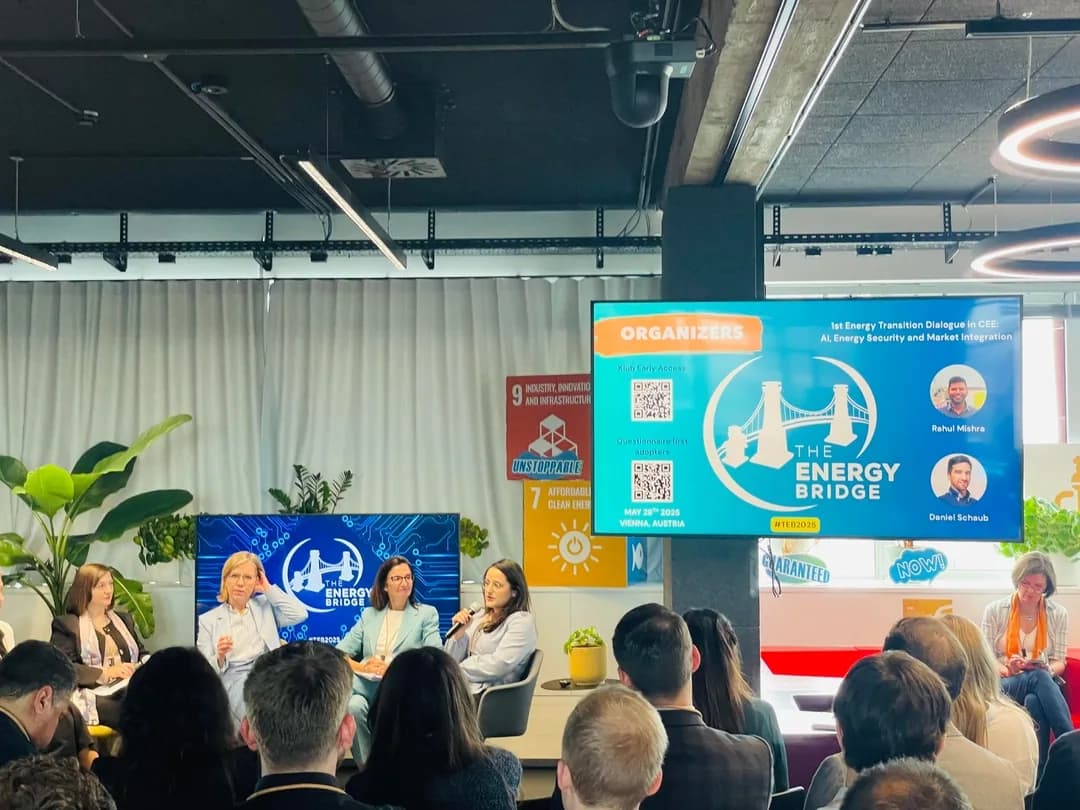
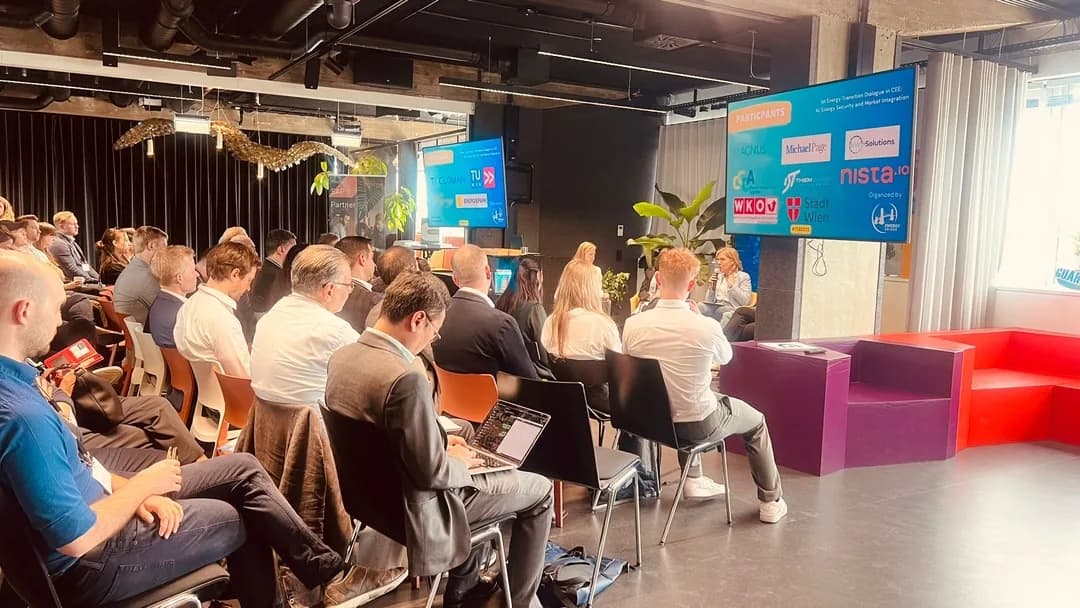
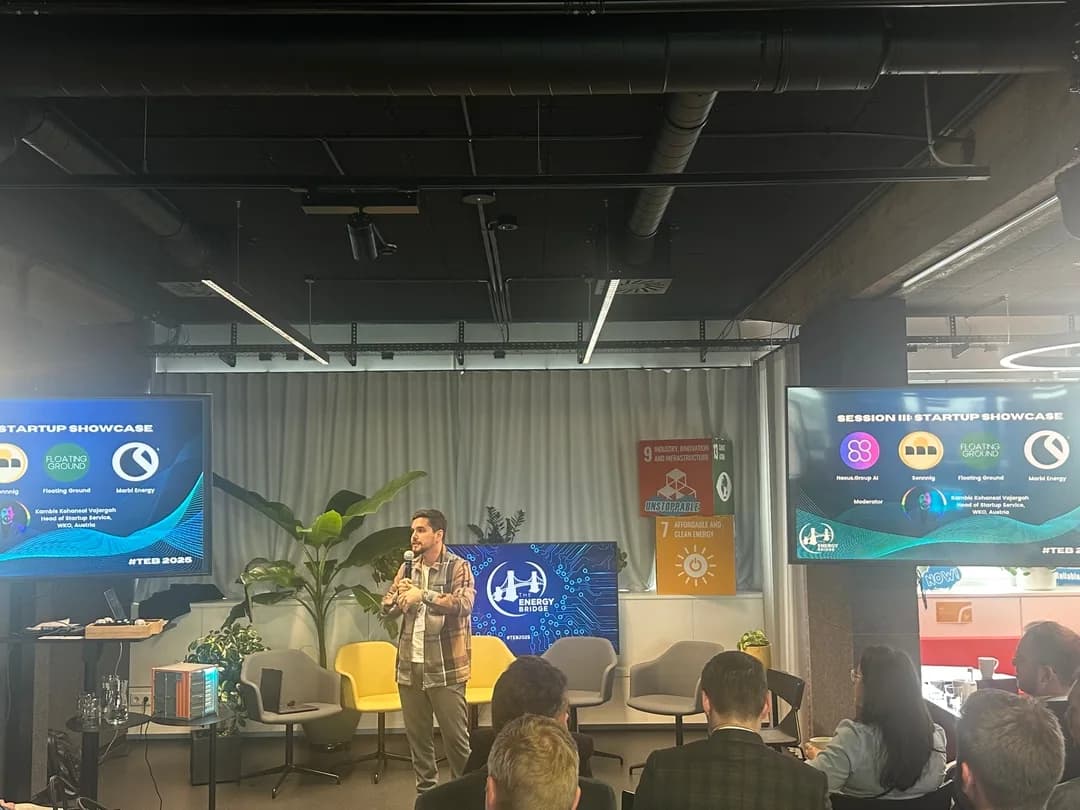
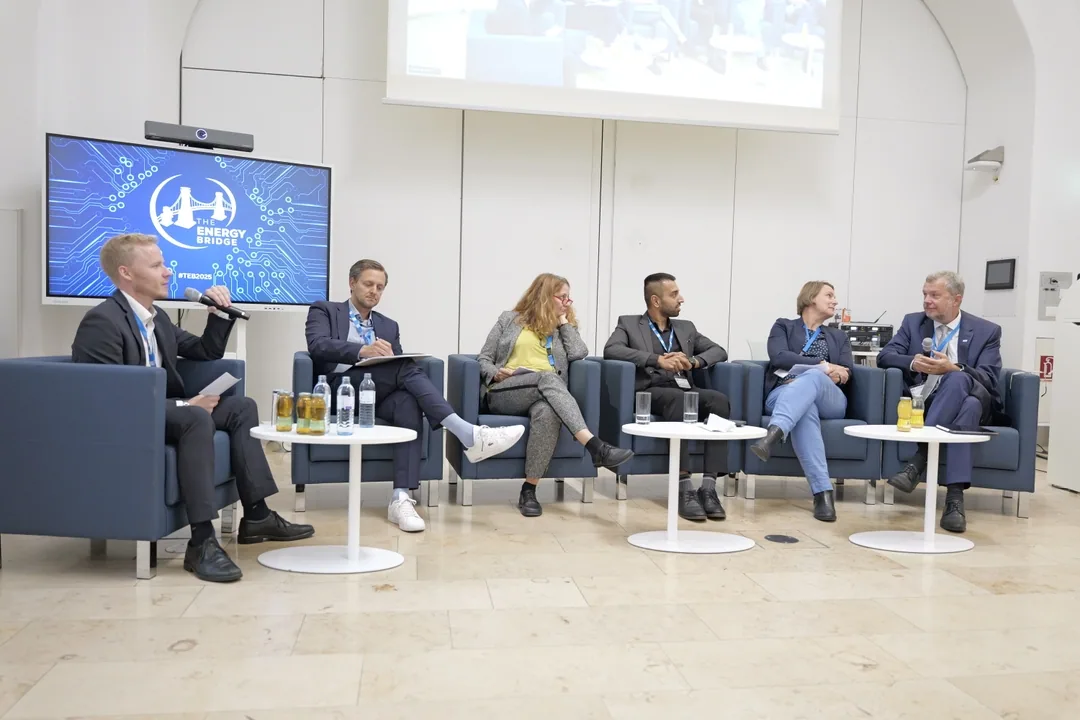
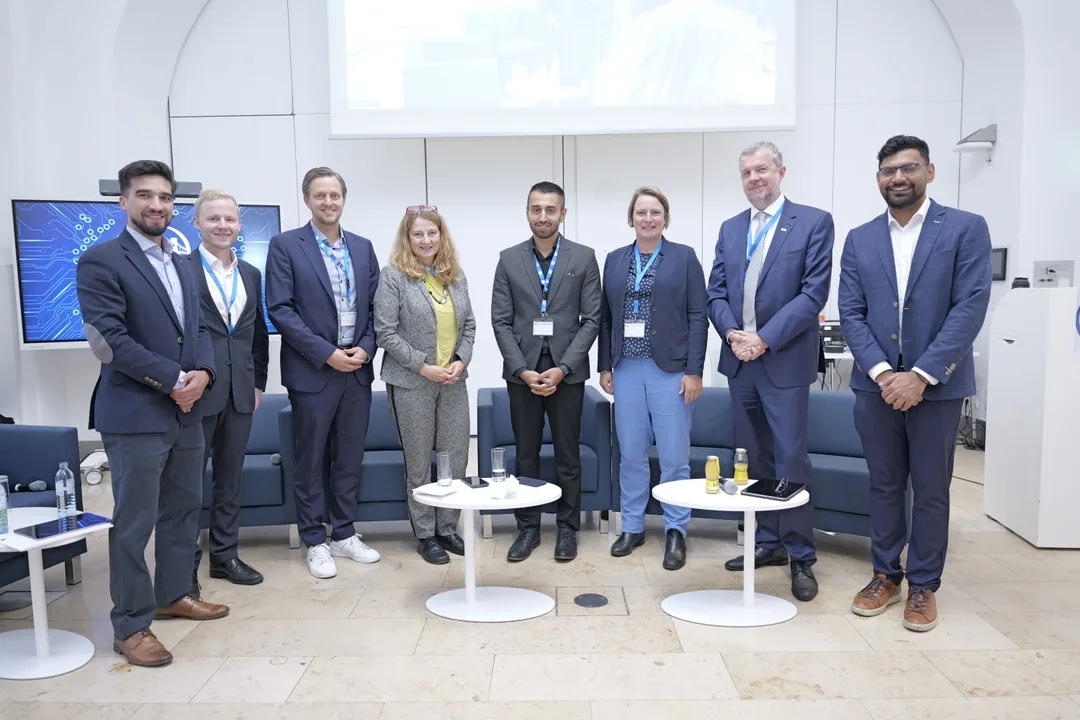
1st TEB Forum
1st TEB Forum
1st TEB Forum
1st TEB Forum
1st TEB Forum
1st TEB Forum
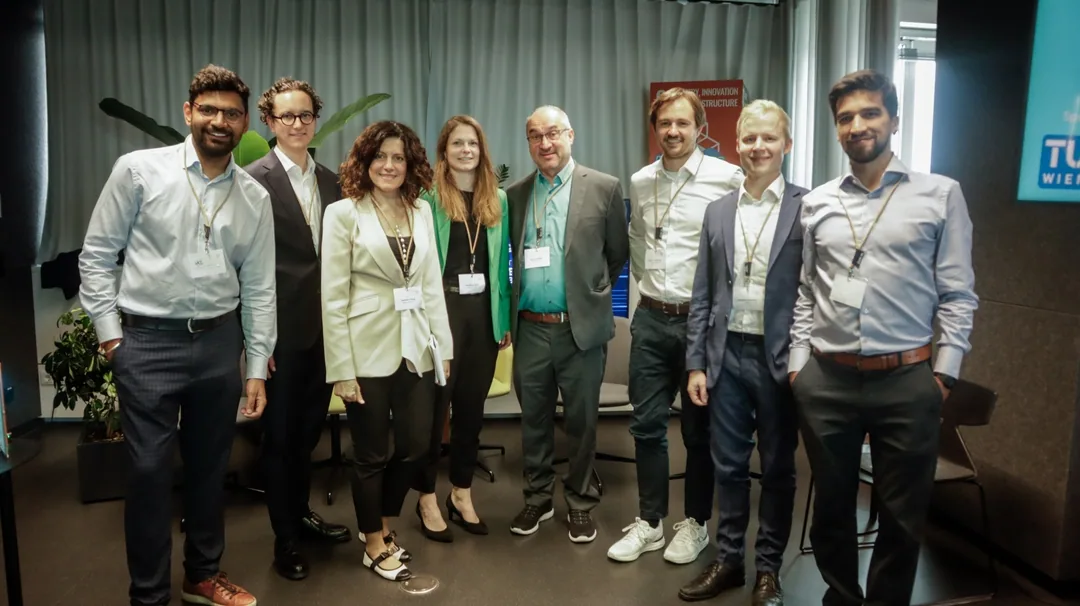
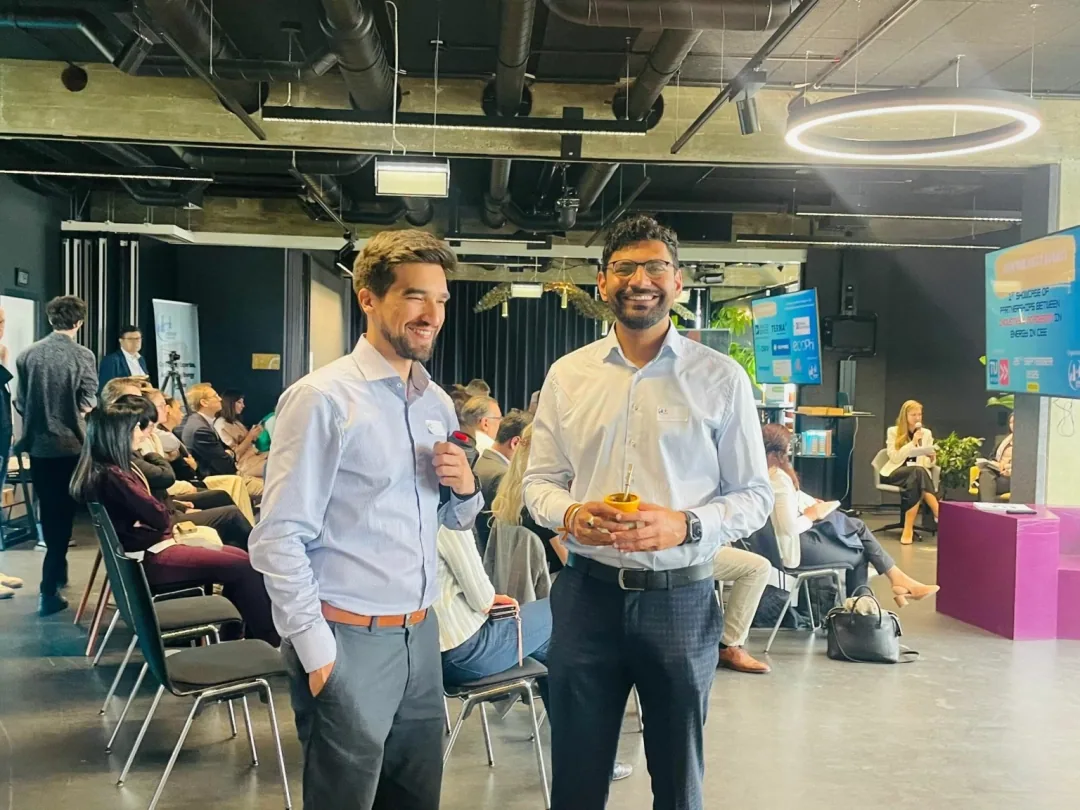
1st TEB Forum  - Co-Founders
1st TEB Forum - Co-Founders
1st TEB Forum
1st TEB Forum
1st TEB Forum
1st TEB Forum
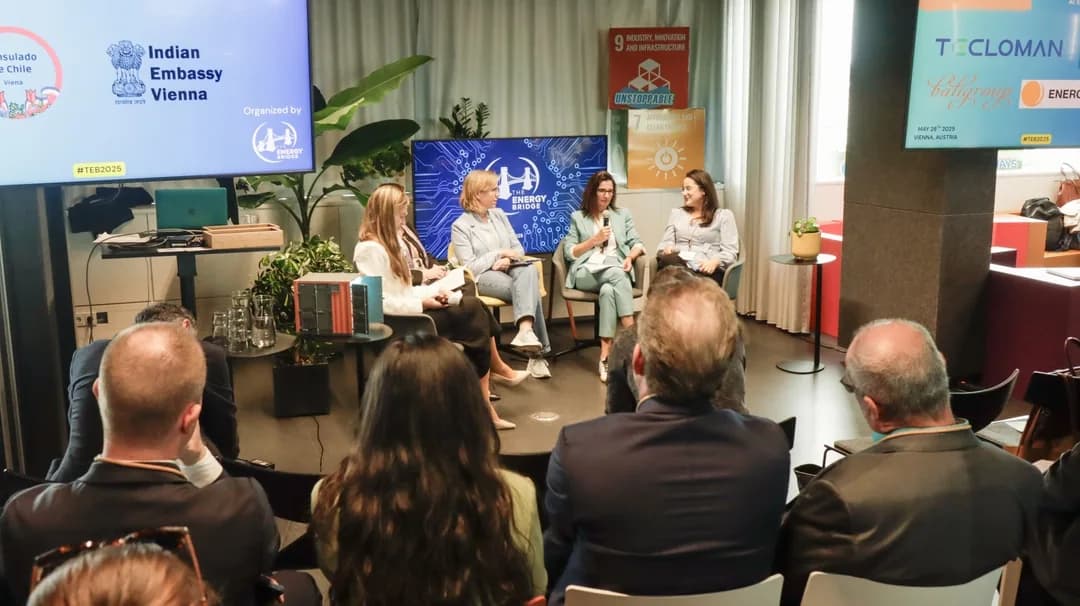
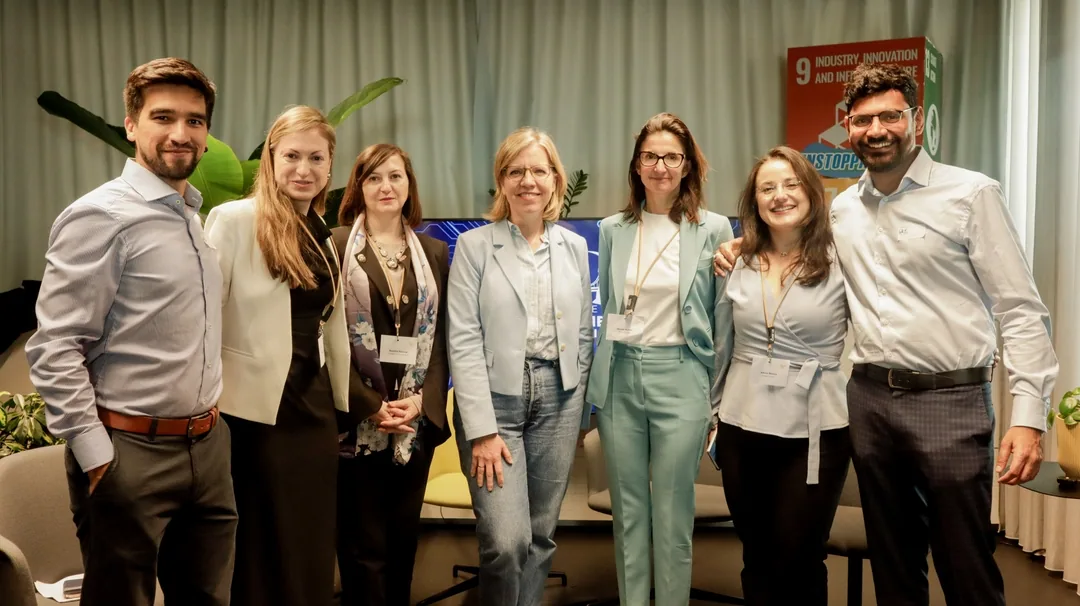
1st TEB Forum - Only women panel
1st TEB Forum - Embassies

Conference programme

Conference Program

Two Days. Two Stages. Six Tracks. Tangible Outcomes.

Agenda:

Building & Energy

- Keynotes
- Presentations of Study Cases and Solutions
- Session 1: Buildings as Energy Assets Heat pumps, battery storage, and building asset flexibility and more.
- Session 2: Energy Communities & District Solutions District heating networks, energy communities, and local energy markets in practice.
- Session 3: Workshop
- LIMES AWARDS by Energiepark

LIMES 2026 Award

Awarding LIMES 2026

Awarding LIMES 2026

The Energiepark Research Foundation connects research, innovation and practice – with real impact in renewable energy.
The foundation is proud to present the 2nd LIMES Future Award for Renewable Energy. From this year’s three nominated finalists, the LIMES 2026 winning project will be awarded €25,000 in prize funding, together with an individual mentoring program to support the project’s next steps.
The LIMES 2026 Award Ceremony will be the official Closing Session of The Energy Bridge Academy – celebrating the three finalists and revealing the LIMES 2026 winner(s).

Learn More

Register Your Spot Today

Early-bird ticket (until sept. 15th)

299 EUR

Regular Ticket: TEB Forum "Real Estate & Energy"

349 EUR

Partner: TEB Forum

Free

TEB Klub

Be part of the largest Energy Transition Community, and use the Community Intelligence, powered with TEB-i by a centralised legal and technical data repository.

Try TEB - Intelligence (Energy Brain)

Your AI Assistant

Our sponsors

tuwien.at logo
baligroup.co logo
energiepark.at logo
meterd.eu logo
forschungsstiftung.at logo
infrared.city logo

Co-organizers

tuwien.at logo

Our supporters

ait.ac.at logo
energyagency.at logo
energiepark.at logo
sonnnig.at logo
kw-solutions.at logo
infrared.city logo
roots.energy logo
heizma.at logo
ikenga.eu logo
issworld.com logo
Company Name logo
ogni.at logo
big.at logo
e-think.ac.at logo

Media partners

therecursive.com logo
harmervisuals.com logo
trendingtopics.eu logo
energate-messenger.de logo
brutkasten.com logo
ceenergynews.com logo
linkedin.com logo